

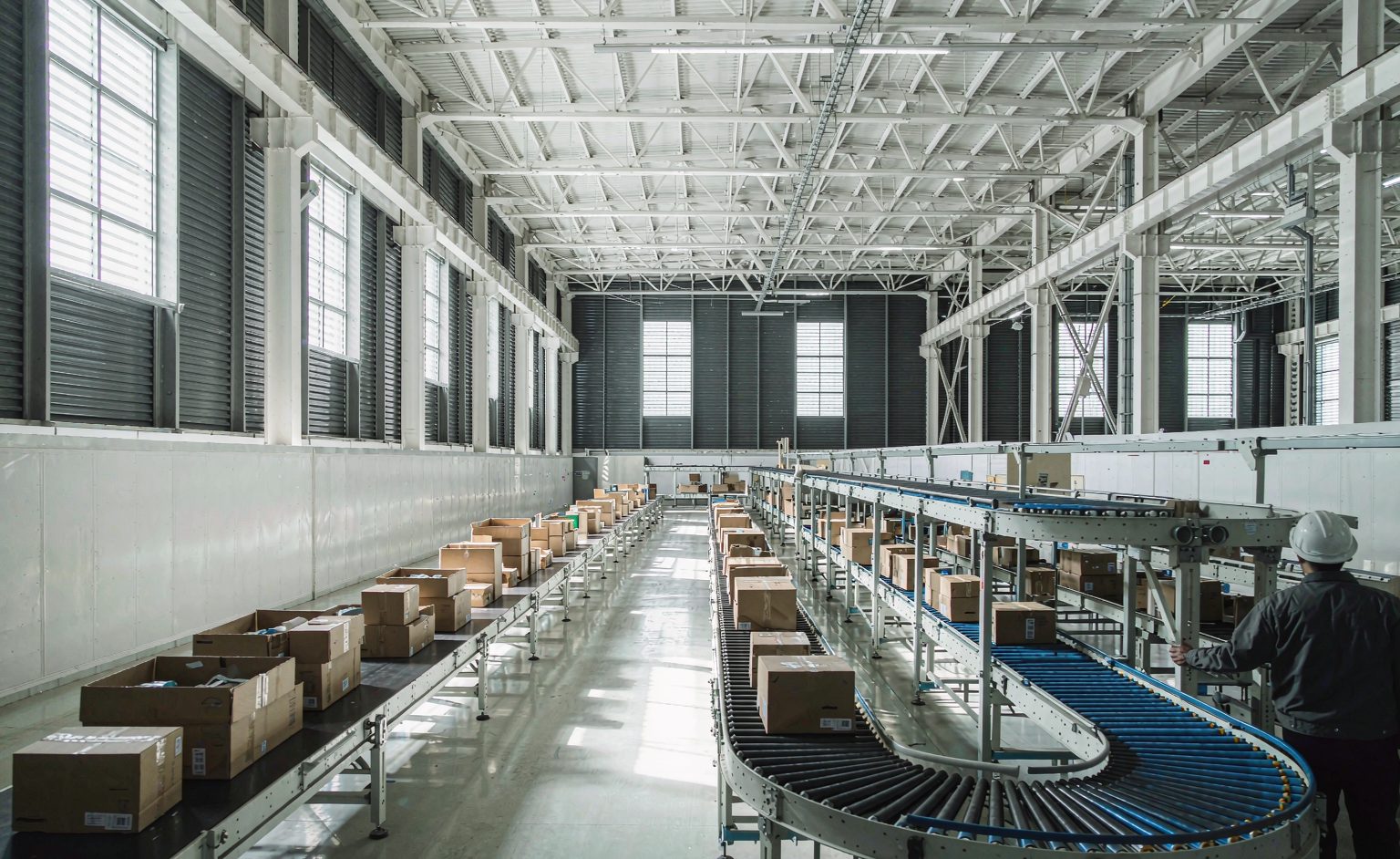
In today’s fast-paced logistics industry, efficiency and precision are critical. Automated sorting systems have emerged as a transformative force, streamlining warehouse operations and significantly reducing manual labor. As global e-commerce and express delivery demands soar, the adoption of intelligent, automated solutions has become a necessity rather than a luxury.
Modern sorting technologies, such as narrow belt sorters, cross-belt systems, and tilt-tray sorters, are capable of processing thousands of parcels per hour with high accuracy. Integration with scanning tunnels, dynamic weighing systems, and AI-based tracking allows for real-time monitoring and enhanced data management across supply chains.
The trend toward modular, customizable, and energy-efficient sorting systems reflects the industry’s focus on flexibility and sustainability. Companies investing in these technologies are better positioned to meet customer expectations for speed, accuracy, and traceability. As automation continues to evolve, it will redefine how distribution centers operate — creating smarter, faster, and more resilient logistics networks.
Three Generations of Sorting Systems, One Lesson Each
The evolution of automated sorting compresses into three generations, and each left a lesson baked into current designs:
| Generation | Defining idea | Lesson it taught |
|---|---|---|
| 1st: mechanical sorters | Fixed diverters, paper chits | Speed without data just relocates errors |
| 2nd: barcode-driven loops | Scans drive mechanical destinations | Accuracy scales when identity meets motion |
| 3rd: software-defined systems | Destinations, rules and profiles live in config | Adaptability, not nameplate, is the asset |
The third generation’s lesson is still rippling through procurement. When a sorter’s value lives increasingly in configuration, the asset’s life extends: the loop hardware depreciates over a decade, but the software layer compounds — every profile change, new carrier and destination remap should make the system more valuable, not merely used. Facilities still buying second-generation logic — fixed rules, vendor-only changes, annual “upgrade projects” — are buying depreciating equipment in an appreciating wrapper. The tell in any quotation is how changes are priced: free configuration you own versus billable engineering you rent. That single line item reveals which generation the vendor is actually selling, whatever the brochure era. The innovation layers behind generation three are mapped in where innovation lands, and the efficiency numbers in efficiency quantified. Reference: automatic identification and conveyor systems.
Most warehouses in 2025 are not one generation but three operating side by side — a legacy manual zone, a mid-life sorter, and a recent software layer — and the generation lesson changes at the seams. Mixed estates fail at handoffs, so the management skill worth cultivating is interface discipline: consistent labelling, agreed exception ownership between zones, and one accuracy standard applied to every generation rather than each excusing itself. Reference: legacy system management and interoperability.
The Digital-Age Version of an Old Discipline
Sorting is an old discipline running on new instruments: the decisions are older than the warehouse, but the sensing and the software are new, and the digital-age version differs from its ancestors mostly in how fast the feedback loop closes. The digital-layer mechanics are in the digital-age sorting guide.