

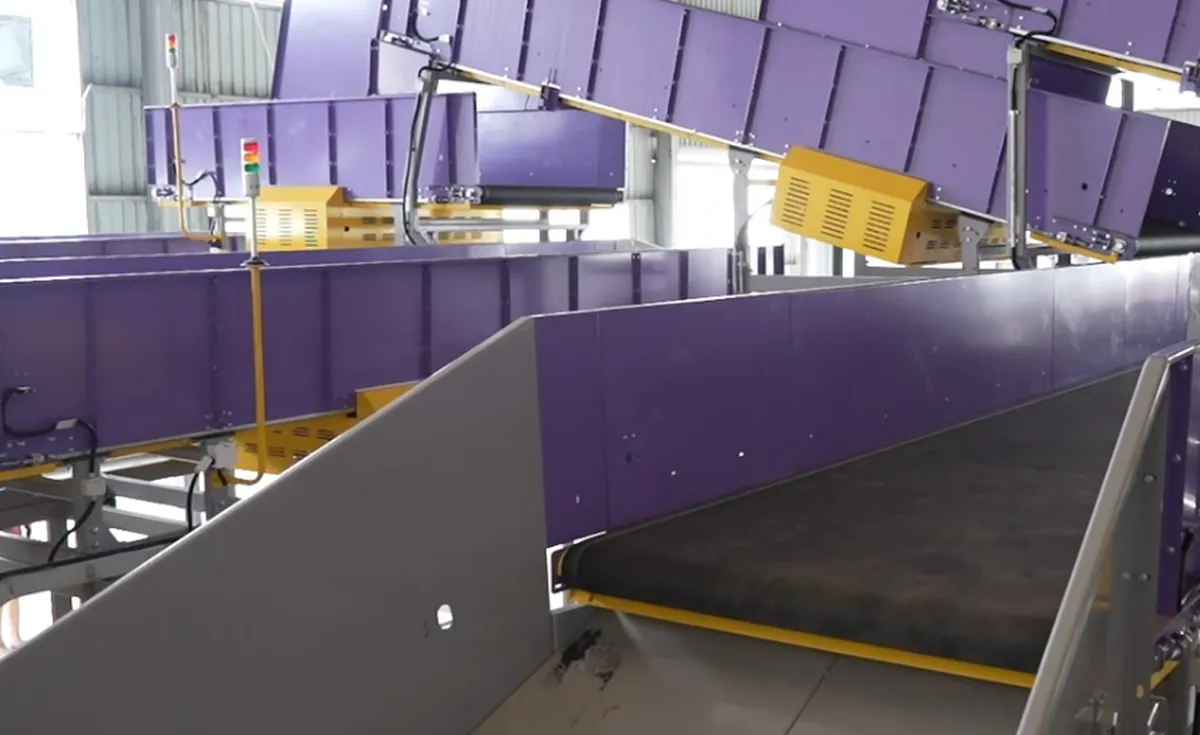
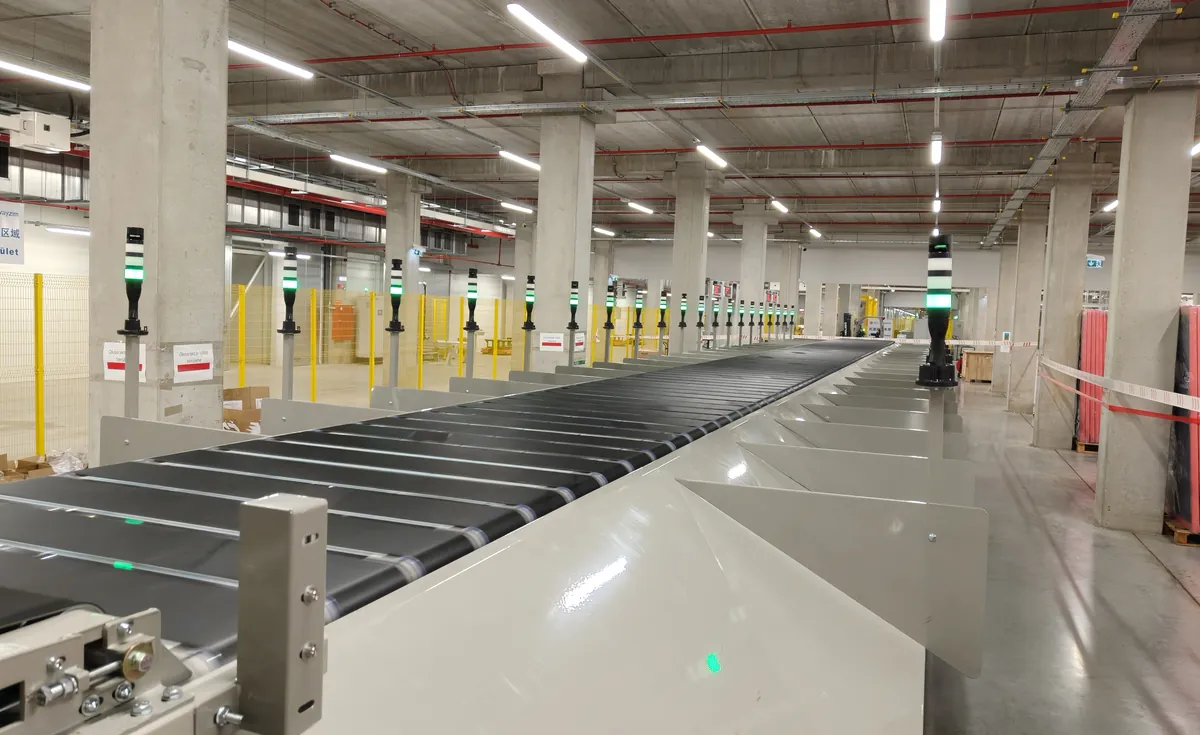
As global trade and online shopping continue to expand, logistics centers are under increasing pressure to handle higher volumes with greater speed and accuracy. This has accelerated the shift toward automated and intelligent sorting systems — the backbone of modern logistics efficiency.
Smart sorting equipment combines mechanical precision with digital intelligence. Through advanced vision systems, barcode readers, and real-time data control, parcels can be automatically identified, routed, and distributed to the correct destination within seconds.
These systems not only streamline warehouse operations but also reduce manual errors, lower operating costs, and improve throughput capacity. Whether it’s a cross-belt sorter, tilt-tray sorter, or modular put wall, automation allows businesses to adapt quickly to changing order volumes and product types.
Looking ahead, the integration of AI analytics and cloud-based monitoring will make sorting systems even more connected and predictive — enabling continuous improvement, proactive maintenance, and smarter decision-making across the entire supply chain.
What “Smart” Adds to Automation: Three Concrete Abilities
Automation moves parcels; smart automation changes how the operation learns. Three abilities separate the two, each observable in a site visit:
| Ability | What you would see | Operational payoff |
|---|---|---|
| Self-diagnosis | Jams predicted before they form; segments book their own service | Uptime becomes a plan, not a hope |
| Profile adaptation | Seasonal parcel mix absorbed in rules, not overtime | Peak without panic |
| Closed-loop learning | Mis-sort causes traced to root and rule updated same week | Error rates fall instead of plateauing |
The third ability is the rarest and the most diagnostic. Every sorting operation accumulates a private taxonomy of failure — the label that scans twice, the parcel shape that rides the loop forever, the destination that overfills every Friday. Dumb automation repeats that taxonomy forever; smart automation metabolises it into new rules. Asking a vendor “show me a rule your software learned from a customer’s error” separates the genuinely adaptive from the dashboard-decorated, and the answer’s specificity tells you how deep the learning runs. Sites that practice closed-loop correction report the compounding effect directly: year-two accuracy beating year-one acceptance-test numbers, on the same hardware, same profile, same staffing. The data rungs that make this possible are in the data ladder, and the three-faculty model in sensing, deciding, acting. Reference: predictive maintenance and root cause analysis.
The three abilities also carry a cost column that proposals omit: governance. Smart capability runs on data, data needs stewardship, and stewardship is a recurring staff function — someone owns field definitions, reviews rule drift, audits the audit trail. Operations that budget for this honestly find the abilities compound; those that treat smart as free intelligence discover the deciding layer slowly decays into habits nobody remembers choosing. Reference: data governance and total cost of ownership.
Priced In, Not Promised
The value described here becomes real only when it is measured: throughput per shift, accuracy per thousand, labour hours reallocated, promises kept per wave. Operations that instrument all four registers convert the claims in this article into a baseline their next vendor must beat — the measurement frame lives in the value measurement frame.